
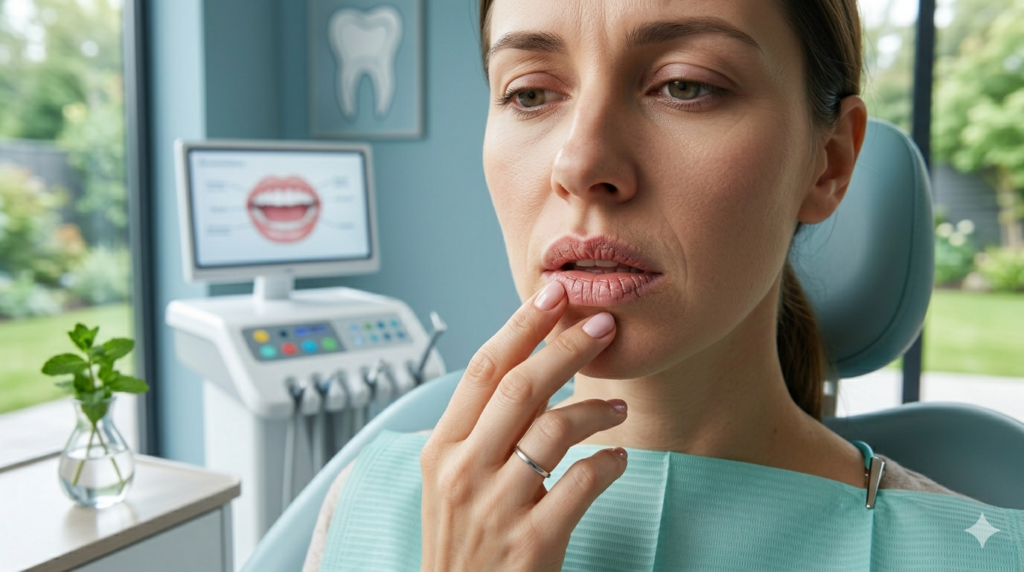
Dry mouth might sound like a minor inconvenience, but dentists are seeing it more than ever—and it’s becoming a widespread oral health issue. Many patients walk into dental clinics complaining of bad breath, burning sensations, difficulty swallowing, or frequent cavities, only to discover the real culprit: a dehydrated mouth.
Dry mouth, also known as xerostomia, happens when your body isn’t producing enough saliva. And while it’s common, it’s far from harmless. Saliva is one of the most important natural defenses your mouth has. Without it, your teeth and gums become more vulnerable to decay, infection, and discomfort.
Let’s explore why dry mouth is becoming so common, what signs to look for, and how you can fix it before it causes serious dental problems.
Why Saliva Matters More Than You Think
Most people don’t realize how powerful saliva is. It does much more than keep your mouth comfortable.
Saliva helps to:
- wash away food particles
- neutralize acids produced by bacteria
- prevent plaque buildup
- protect tooth enamel
- reduce bad breath
- fight bacteria and infections
- help you chew, swallow, and speak properly
When saliva production drops, bacteria multiply faster and the mouth becomes more acidic—creating the perfect environment for cavities and gum disease.
Why Dentists Are Seeing Dry Mouth Everywhere
Dry mouth isn’t new, but it has become significantly more common due to lifestyle habits and modern health patterns. Dentists are noticing more patients experiencing chronic dryness than ever before.
Here are the top reasons why.
- Not Drinking Enough Water
It sounds obvious, but many people are unknowingly dehydrated. Busy schedules, long work hours, and reliance on coffee or energy drinks can reduce water intake.
Even mild dehydration can reduce saliva production and leave your mouth feeling dry, sticky, or uncomfortable.
- Caffeine Overload
Coffee, tea, and energy drinks are part of daily life for many people. But caffeine has a dehydrating effect and can reduce saliva flow, especially when consumed throughout the day.
The more caffeine you drink, the more your mouth dries out—especially if you’re not balancing it with water.
- Mouth Breathing (A Growing Habit)
Dentists are seeing more patients who breathe through their mouth instead of their nose, often due to:
- allergies
- sinus congestion
- sleep apnea
- nasal blockage
- habit-based breathing patterns
Mouth breathing dries out oral tissues quickly, especially overnight, leading to morning dryness and bad breath.
If you wake up with a dry mouth every day, mouth breathing may be the reason.
- Medications That Cause Dry Mouth
One of the biggest causes of dry mouth today is medication. Hundreds of common prescriptions list dry mouth as a side effect.
These include medications for:
- anxiety and depression
- high blood pressure
- allergies (antihistamines)
- cold and flu symptoms
- muscle relaxants
- pain management
- sleep aids
Even over-the-counter medications can reduce saliva flow.
- Stress and Anxiety
Stress doesn’t just affect your mind—it affects your body’s functions, including saliva production. Chronic stress and anxiety can lead to:
- dry mouth
- teeth grinding
- jaw tension
- mouth ulcers
Many people also breathe faster or through the mouth when stressed, which worsens dryness.
- Alcohol and Smoking
Alcohol dries out tissues and reduces saliva production. Smoking and vaping also irritate oral tissues and reduce natural moisture.
People who smoke often experience dry mouth without realizing it—and this increases their risk of gum disease significantly.
Common Symptoms of Dry Mouth
Dry mouth isn’t always obvious. Some people don’t notice the dryness but experience the damage it causes.
Here are common signs dentists look for:
- sticky or dry feeling in the mouth
- frequent thirst
- cracked lips
- burning tongue sensation
- difficulty swallowing
- bad breath
- sore throat
- trouble speaking for long periods
- increased plaque buildup
- frequent cavities, especially near the gumline
- gum inflammation
If these symptoms are happening regularly, dry mouth may be the root cause.
The Hidden Dangers of Dry Mouth
Dry mouth is more than discomfort—it can cause long-term dental issues if left untreated.
- Increased Cavities
Without saliva to wash away bacteria, plaque builds faster. Many dry mouth patients experience sudden cavities even if they brush well.
- Gum Disease
Dry mouth creates bacterial imbalance, which can lead to gingivitis and periodontal disease.
- Tooth Sensitivity
Reduced saliva means less protection for enamel. Teeth become more sensitive and prone to wear.
- Oral Infections
Saliva helps fight yeast and bacteria. When saliva is low, infections like oral thrush become more common.
- Difficulty Wearing Dentures
Dry mouth can make dentures uncomfortable and cause irritation, sores, and poor fit.
How to Treat Dry Mouth Naturally
The good news is that dry mouth is manageable once you identify the cause.
Here are dentist-approved ways to improve mouth hydration:
Drink Water Frequently
Sip water throughout the day instead of drinking large amounts at once.
Limit Caffeine and Alcohol
Reduce coffee and energy drinks. If you drink them, increase your water intake alongside.
Use a Humidifier at Night
This is especially helpful for people who sleep with their mouth open or live in dry climates.
Switch to Alcohol-Free Mouthwash
Many mouthwashes contain alcohol, which can worsen dryness. Choose alcohol-free products designed for dry mouth.
Chew Sugar-Free Gum
Sugar-free gum (especially with xylitol) stimulates saliva production and helps reduce cavity risk.
Eat Water-Rich Foods
Foods like cucumbers, oranges, watermelon, and celery can naturally support hydration.
Dental Treatments for Dry Mouth
If dry mouth is persistent, dentists may recommend additional support, including:
- prescription saliva stimulants
- fluoride treatments to prevent cavities
- dry mouth rinses and gels
- customized dental care plans to reduce decay risk
Dentists may also suggest a medical evaluation if dry mouth is linked to underlying conditions like diabetes, Sjogren’s syndrome, or sleep apnea.
When Should You See a Dentist?
You should schedule a dental appointment if:
- dry mouth lasts more than a few weeks
- you are getting cavities frequently
- you experience burning sensations in the mouth
- you wake up with severe dryness daily
- your breath remains bad even after brushing
Dry mouth can cause rapid dental damage, so early action is important.
Dry mouth is becoming one of the most common issues dentists see today—and it’s not something to ignore. Your saliva is your mouth’s natural protection system, and without it, your teeth and gums become vulnerable to decay, infection, and discomfort.
If your mouth feels constantly dry, don’t just reach for mints or mouthwash. Focus on hydration, lifestyle changes, and professional dental guidance. Because a dehydrated mouth isn’t just uncomfortable—it’s a warning sign your oral health may be at risk.