
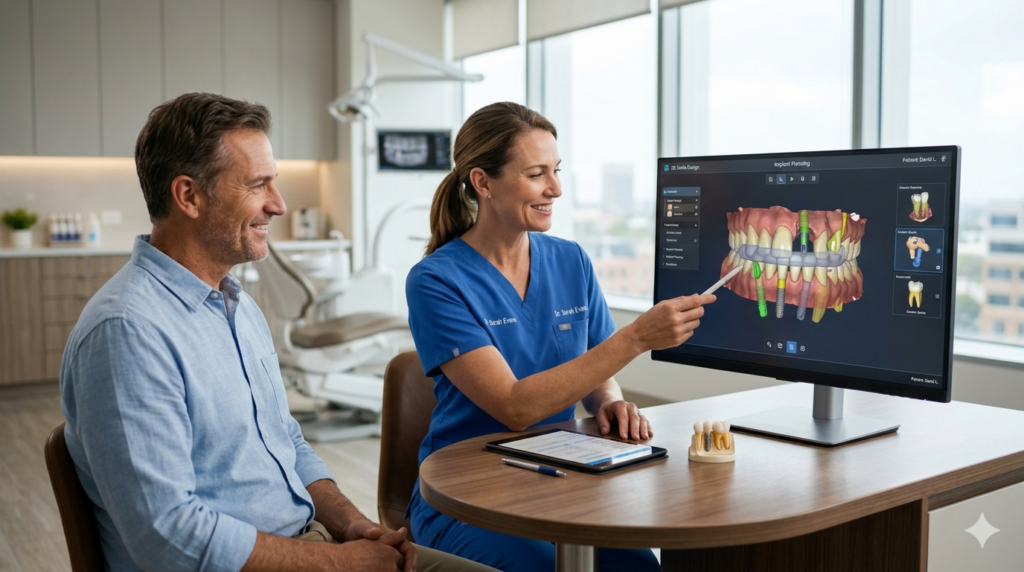
Healthcare is rapidly evolving, and one of the most significant changes in recent years is the shift toward personalized treatment planning. Gone are the days when every patient received the same recommendations or treatment approach. Today, modern dentistry and healthcare recognize that every individual has unique needs, goals, medical histories, and lifestyles.
Personalized treatment planning puts the patient at the center of care, allowing providers to create customized solutions that deliver better outcomes, improved comfort, and a more positive overall experience.
What Is Personalized Treatment Planning?
Personalized treatment planning is the process of developing a care strategy tailored specifically to an individual’s health condition, oral health status, preferences, risk factors, and long-term goals.
Rather than taking a one-size-fits-all approach, healthcare providers consider factors such as:
- Medical history
- Age and overall health
- Lifestyle habits
- Existing conditions
- Personal concerns and priorities
- Budget and treatment preferences
This comprehensive approach helps ensure that each patient receives care designed for their unique situation.
Why One Size Doesn’t Fit All
No two patients are exactly alike. Even when two individuals have the same dental issue, the best treatment option may differ significantly.
For example, two patients with missing teeth may require different solutions based on:
- Bone density
- Gum health
- Age
- Medical conditions
- Cosmetic goals
- Financial considerations
One patient may benefit from dental implants, while another may be better suited for a bridge or removable prosthetic. Personalized planning allows dentists to recommend the option that best aligns with each person’s needs.
The Role of Advanced Technology
Modern technology has made personalized treatment planning more accurate and effective than ever before.
Tools commonly used include:
Digital Imaging
High-resolution digital X-rays and 3D imaging allow dentists to view teeth, bone, nerves, and surrounding structures in remarkable detail. This helps identify issues that may not be visible during a traditional examination.
Intraoral Scanners
Digital scanners create precise models of a patient’s teeth without messy impressions. These scans improve treatment accuracy and help patients better understand their oral health.
Digital Smile Design
For cosmetic procedures, advanced software can provide a preview of potential results before treatment begins, allowing patients to participate in the planning process.
These technologies enable providers to create highly customized treatment plans based on precise diagnostic information.
Improved Patient Involvement
One of the most important benefits of personalized care is increased patient participation.
Instead of simply being told what treatment is needed, patients become active partners in the decision-making process. Dentists can explain available options, discuss risks and benefits, and answer questions so patients feel informed and confident about their care.
This collaborative approach often leads to:
- Greater trust
- Better communication
- Increased treatment acceptance
- Improved patient satisfaction
When patients understand their options, they are more likely to feel comfortable moving forward with treatment.
Better Long-Term Outcomes
Personalized treatment planning focuses not only on addressing current concerns but also on supporting long-term health.
For example, a patient with a high risk of gum disease may receive:
- More frequent cleanings
- Customized home-care recommendations
- Preventive therapies
- Ongoing monitoring
Similarly, a patient prone to cavities may benefit from fluoride treatments, dietary counseling, and preventive sealants.
By identifying individual risk factors early, dentists can help prevent future problems before they become more serious and costly.
A More Comfortable Patient Experience
Every patient has different comfort levels and concerns when it comes to dental care. Some may experience dental anxiety, while others may have complex medical conditions that require special accommodations.
Personalized care allows dental teams to adapt treatment based on each patient’s needs.
Examples include:
- Customized sedation options
- Flexible appointment scheduling
- Phased treatment plans
- Additional comfort measures during procedures
This individualized approach helps create a more positive and stress-free experience.
The Future of Patient-Centered Care
As technology continues to advance, personalized treatment planning will play an even greater role in healthcare and dentistry. Digital diagnostics, artificial intelligence, predictive analytics, and enhanced patient communication tools are helping providers deliver increasingly customized care.
The goal is simple: provide treatments that are more precise, more effective, and better aligned with each patient’s unique needs and expectations.
Personalized treatment planning is transforming the way healthcare providers care for patients. By considering individual health factors, goals, preferences, and risk profiles, dentists can create customized treatment strategies that improve outcomes and enhance the patient experience.
Whether you’re seeking preventive care, restorative treatment, or a complete smile transformation, personalized care ensures that your treatment plan is designed specifically for you—not just your condition. The result is a more informed, comfortable, and effective path toward achieving and maintaining a healthy smile.