
Teeth are designed to handle everyday chewing and biting, but they are not completely resistant to wear. Over time, repeated pressure, grinding, clenching, acidic foods, and other habits can gradually change the shape and surface of your teeth.
While some tooth wear is a normal part of aging, unusual or excessive wear can provide your dentist with important clues about what may be happening inside your mouth.
By examining how your teeth are wearing down, your dentist can often identify habits, bite-related concerns, and other factors that may affect your long-term oral health.
What Does Tooth Wear Look Like?
Tooth wear does not always happen in the same way. Depending on its cause, you may notice:
- Flattened or shortened teeth
- Small chips or cracks
- Smooth, worn surfaces
- Increased tooth sensitivity
- Changes in the edges of front teeth
- Yellow areas where deeper tooth structure becomes visible
- Increased spacing or changes in your bite
Some forms of wear develop slowly and may not be noticeable until they become more advanced.
What Can the Pattern of Wear Tell Your Dentist?
The location and appearance of worn areas can provide clues about how your teeth come together and what forces they experience.
For example, wear concentrated on certain teeth may indicate that those teeth are receiving more pressure than others. Your dentist can examine these patterns along with your bite and dental history to understand what may be contributing to the changes.
Can Tooth Wear Reveal Teeth Grinding?
Yes. One of the things your dentist may look for is evidence of bruxism, which involves grinding or clenching the teeth.
Repeated grinding can create flattened chewing surfaces and may cause small fractures or chips. Some people grind their teeth while sleeping and may not realize they are doing it.
Other possible signs include:
- Jaw soreness
- Morning headaches
- Facial muscle tension
- Tooth sensitivity
- Worn or flattened tooth surfaces
- Damage to existing dental restorations
Identifying these signs early may help prevent additional damage.
What Does Uneven Tooth Wear Mean?
Teeth that wear unevenly may indicate that certain areas of your bite are experiencing more pressure.
Your dentist may examine how your upper and lower teeth meet when you bite, chew, and move your jaw.
In some cases, uneven wear can be associated with bite changes, missing teeth, crowded teeth, or other factors that alter how chewing forces are distributed.
Can Acidic Foods Cause Tooth Wear?
Not all tooth wear comes from grinding or biting.
Acid erosion can gradually weaken the enamel surface. Frequent exposure to acidic foods and drinks may contribute to this type of wear.
Common sources of dietary acids include:
- Soft drinks
- Energy drinks
- Citrus fruits and juices
- Sports drinks
- Acidic foods
- Certain flavored beverages
When enamel becomes thinner, the underlying dentin may become more visible, making teeth appear more yellow.
Your dentist may be able to recognize patterns that suggest chemical erosion rather than mechanical wear.
What About Aggressive Brushing?
Brushing is essential for maintaining healthy teeth and gums, but excessive force or using an overly abrasive technique may contribute to wear in certain areas.
This type of damage may appear near the gumline and can sometimes occur alongside gum recession.
Your dentist or dental hygienist can assess your brushing habits and recommend techniques or products that are appropriate for your teeth.
Can Tooth Wear Be Related to Missing Teeth?
When one or more teeth are missing, the way you bite and chew can change. The remaining teeth may take on additional pressure as your mouth adapts.
Over time, this altered distribution of chewing forces may contribute to wear or other changes.
Replacing missing teeth when appropriate can help restore function and create a more balanced bite.
Does Tooth Wear Always Mean Something Is Wrong?
No. Some degree of tooth wear is expected as people age.
The important factors are the amount, location, pattern, and rate of wear.
Slow, mild changes may simply be monitored during routine dental examinations. More significant or rapidly progressing wear may require further evaluation to identify and address the underlying cause.
How Does Your Dentist Evaluate Tooth Wear?
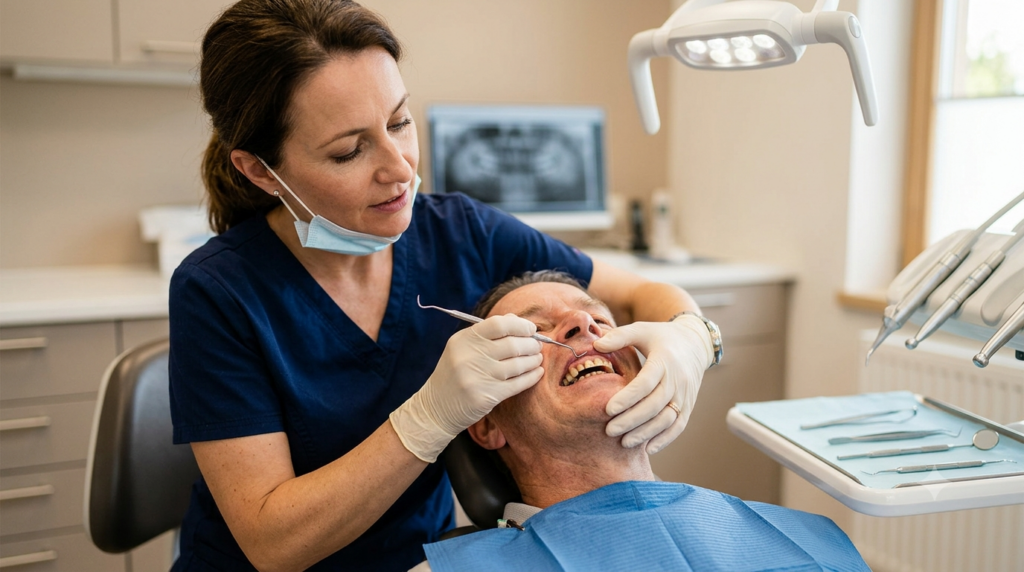
During an examination, your dentist may look at the shape and surfaces of your teeth and compare them with previous dental records.
They may also evaluate:
- Your bite
- Jaw movement
- Existing fillings or crowns
- Tooth sensitivity
- Gum health
- Signs of grinding or clenching
- Your diet and oral-care habits
- Previous dental treatment
Dental X-rays may also be recommended when your dentist needs to evaluate structures that cannot be seen during a visual examination.
Can Worn Teeth Be Repaired?
Treatment depends on how much tooth structure has been lost and what caused the wear.
Depending on your individual situation, your dentist may recommend:
- Monitoring the teeth
- Improving brushing techniques
- Dietary changes to reduce acid exposure
- A custom nightguard for certain grinding or clenching cases
- Tooth-colored restorations
- Dental bonding
- Crowns or other restorative treatments
The priority is not simply to repair the worn surfaces but also to identify the reason the damage is occurring.
Why Is Early Evaluation Important?
Tooth enamel does not naturally grow back once it has been permanently lost. If excessive wear continues, more of the tooth can become exposed and vulnerable to sensitivity, fractures, and additional damage.
Identifying the cause early may allow your dentist to recommend preventive measures before more extensive treatment is needed.
The way your teeth wear down can reveal much more than normal aging. Changes in tooth shape, surface texture, and wear patterns may give your dentist valuable information about grinding, bite forces, dietary habits, brushing techniques, and other factors affecting your smile.
If you have noticed flattened teeth, chips, sensitivity, or changes in the way your teeth come together, schedule a dental evaluation with Dental Hut. An examination can help identify the cause of the wear and determine how to protect your teeth for the future.